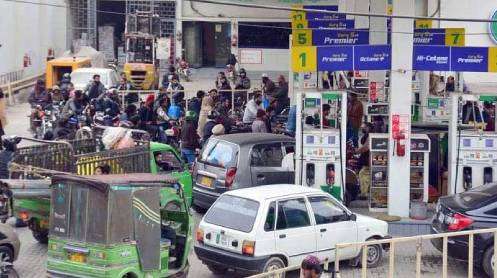
ISLAMABAD: The government’s last-minute negotiations with the All Pakistan Petroleum Pump Owners Association (APPPOA) on Wednesday resulted in a split within the association, with one faction agreeing to postpone its planned nationwide strike for two weeks, while the other insisted the shutdown would proceed as scheduled.
The association had earlier announced that nearly 15,000 petrol stations across Pakistan would close from Wednesday midnight after initial talks with the government failed over key demands, including opposition to daily petroleum pricing, an increase in dealers’ commission, and the removal of supply quotas imposed by oil marketing companies.
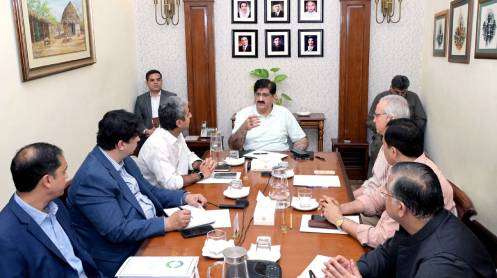
During fresh negotiations, Petroleum Minister Ali Pervaiz Malik, Petroleum Secretary Hamid Yaqoob Shaikh, and acting OGRA Chairman Nabeel Awan assured representatives that the government would engage in further consultations to address their concerns. However, no firm commitment was made regarding the dealers’ demand for an increase in commission from the existing Rs8.64 per litre to approximately Rs25 per litre, equivalent to an eight per cent margin on fuel sales.
Following the meeting, APPPOA Information Secretary Nadeem Aziz Khan announced that the strike had been postponed for two weeks in the interest of public convenience after receiving written assurances from the petroleum minister. He said the government would implement daily petroleum pricing on a two-week trial basis, after which its effectiveness and impact would be jointly reviewed.
Khan added that the government had also assured the association that dealers’ margins, unchanged since 2022, would be reviewed and increased through consultations with all stakeholders.
However, APPPOA Chairman Humayun Khan and Vice Chairman Noman Butt rejected the outcome of the talks, maintaining that no meaningful progress had been achieved. In a recorded message, Chairman Humayun Khan urged dealers to remain united and continue with the indefinite nationwide strike, stating that none of the association’s core demands had been accepted.
In an official statement, the chairman described the negotiations as inconclusive, saying the government had neither accepted the association’s legitimate demands nor presented any practical solution, leaving the strike decision unchanged.
Petroleum Minister Ali Pervaiz Malik, meanwhile, said the government had secured a two-week postponement of the strike after assuring stakeholders that their grievances would be addressed through dialogue. He confirmed that a proposal regarding dealers’ margins would be prepared and submitted to the federal cabinet for consideration.
The minister also said the government would reassess the newly introduced daily fuel pricing mechanism after the two-week trial period in consultation with industry stakeholders. To improve transparency, OGRA will begin publishing petroleum price calculations on its website, including detailed price breakdowns in Urdu.
According to official sources, the minister informed dealers that their demand for an almost threefold increase in commission was unrealistic given the impact on consumers already burdened by high fuel prices. Nevertheless, he assured the association that a reasonable increase would be considered in light of inflation.
Business Community Opposes Margin Increase
Separately, the Pakistan Business Forum (PBF) opposed any increase in petroleum dealers’ margins and urged the government to abandon the daily fuel pricing mechanism.
PBF Chief Organiser Ahmad Jawad warned that Pakistan was already facing high inflation, rising business costs, and prolonged economic uncertainty. He said any disruption in petroleum supplies would severely affect transportation, industry, agriculture, trade, and the country’s overall supply chain, while daily revisions in fuel prices had created uncertainty for businesses and consumers alike.